Trends
14 August 2026

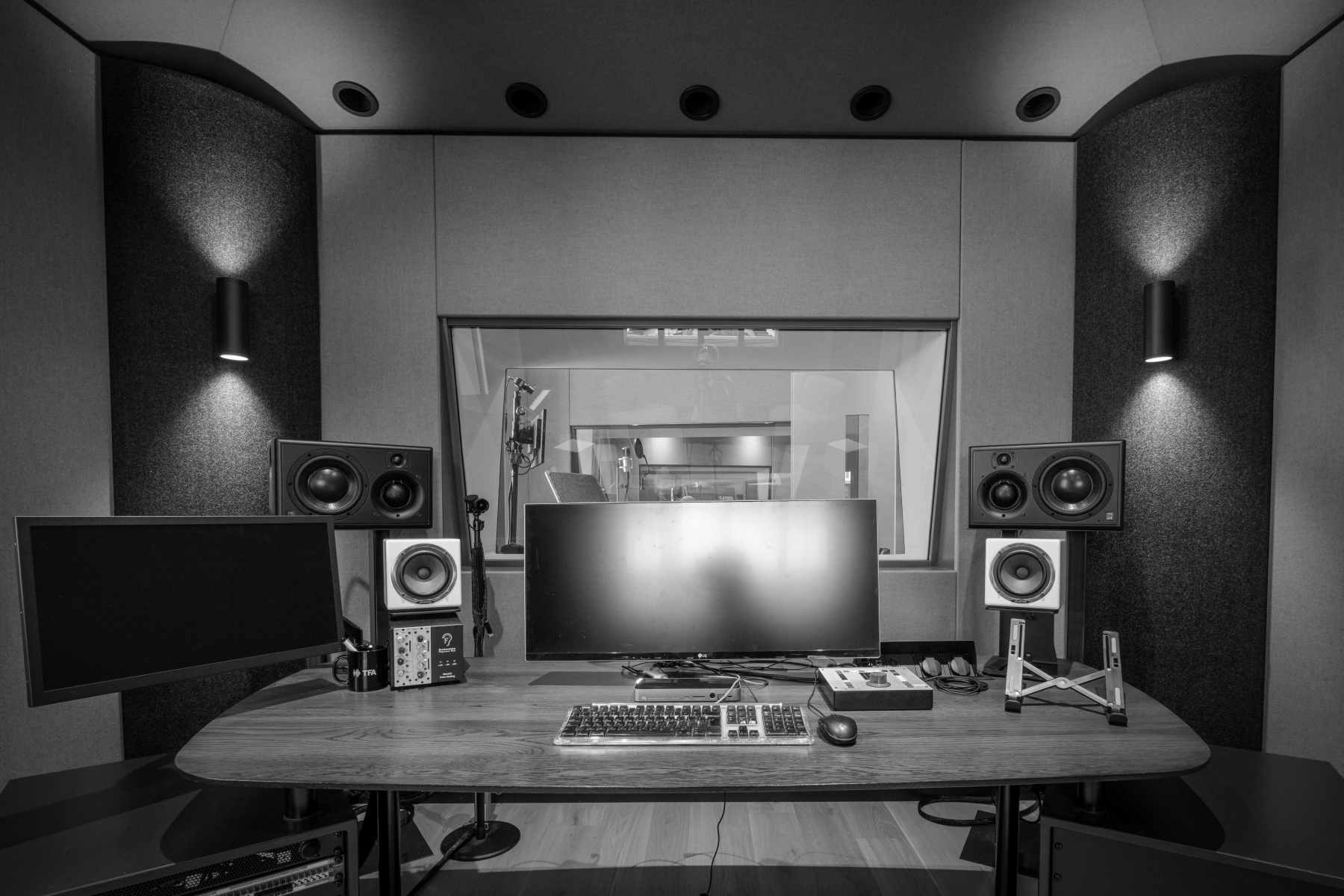
There's a moment in the studio when you just know it's right. The voice is perfect. The rhythm is spot on. The pause is in the right place. You feel it before you can name it.
That moment hasn't changed. What has changed is how we get there.
At TFA, we've been working with AI voice-overs since 2020. Not as an experiment on the fringes of our work, but as a full-fledged part of the creative process. A significant portion of our radio and audio commercials are now produced with AI voices. Clients notice the difference: we respond faster, deliver more flexibly, and adapt better to current events than before.
This isn't an announcement. This is an explanation of how it works and what it truly means.
In 2020, we started cautiously. The systems were promising but immature. We listened, tested, and waited for the moment when the technology was good enough to truly add value for our clients.
That patience wasn't slowness. It was a choice. At TFA, we don't implement anything that doesn't meet our quality standards. Sound that isn't convincing doesn't do its job. And our work is always the same: sound that resonates, is recognizable, and sticks with you.
After a careful selection process, we chose ElevenLabs as our dedicated platform. Our collaboration with their team is intensive and on equal footing. We regularly discuss new updates and possibilities. Our audio engineers consider ElevenLabs a tool they can no longer do without.
But a tool is what it is. The hands and ears that work with it determine the result.
An AI voice doesn't choose itself. That is perhaps the biggest misconception about how we work.
It always starts with a question: what character does this brand have? Warm and familiar, or businesslike and direct? Energetic and infectious, or calm and convincing? That description is the compass. Only then do we start prompting.
With ElevenLabs, we work in a targeted manner. We guide the tone, tempo, presence, and character, comparing variations until we find the voice that fits the story. Sometimes the right one is found quickly. More often, the best choice emerges only after comparison and fine-tuning. That iterative process is the same as with traditional voice casting. The tool is different, but the intuition is not.
Once we've found the voice, we import it into ProTools. That's where the real finishing process begins. Timing, rhythm, dynamics, natural pauses, and intelligibility: we manually refine all these elements. We use additional tools to adjust intonation, strengthen accents, and make the voice feel like a deliberate choice.
An AI voice is the beginning. The mix is the craftsmanship.
The end result isn't a computer voice reading a text. It's a voice-over that tells a story.
Not every AI voice is the same. At TFA, we work with two clearly distinguishable types, each with its own legal and financial framework.
The Cloned Voice
When we synthesize an existing voice, the voice actor retains ownership of their unique vocal identity. We always establish clear legal agreements regarding usage and protect the voice from unauthorized use. These voices are subject to buy-outs and usage rights, just like traditional recordings. The difference lies in production costs: new texts don't need to be re-recorded every time. This saves on lead time and budget, without compromising the voice's unique character.
The TFA babies
In addition, we develop our own proprietary AI voices: our TFA babies. These voices are not based on an existing voice actor. This means there are no buy-outs, royalties, or additional rights costs. The only costs are the creation and use of the voice. This offers maximum budget flexibility and predictability, with the option for exclusivity for clients who desire it.
In both cases, the barrier to high-quality audio productions has been lowered. They are faster, more cost-effective, and come without compromising quality or diligence regarding rights.
We could make it easy on ourselves and stop here. AI works. Clients are satisfied. Case closed.
But there's a downside worth mentioning.
AI generates. It doesn't select. It doesn't know what a brand needs at a specific moment in a specific campaign for a specific target audience. It doesn't sense if a pause is two-tenths of a second too long. It doesn't recognize the difference between text that works on paper and text that works on air.
That's exactly what our audio engineers do every day. They listen with years of experience. They know when a voice sounds too polished and when a slight imperfection enhances credibility. They understand that timing in a thirty-second radio commercial is just as crucial as the words themselves.
AI makes that work faster. It doesn't replace it.
The best productions we currently create emerge precisely from that dynamic tension: the speed and scalability of AI, combined with the ear and judgment of people who master their craft.
For large brands, this means: responding faster to current events, sounding more consistent across multiple campaigns and formats, and having more control over budget and planning.
For smaller brands and agencies, it means: access to high-quality audio productions that were previously out of reach due to cost or lead time.
In both cases, the standard remains the same. We do not deliver sound that isn't convincing. That was true before AI, and it remains true with AI.
If you're thinking about audio and your brand, now is the time to explore what's possible. Not because AI is the solution to everything, but because the combination of technology and craftsmanship now offers more than it did a year ago.
A recognizable voice for all your campaigns, without having to schedule a studio session every time. A completely unique vocal identity that is exclusively yours. Faster adjustments when a campaign needs to be revised. And always: the sound that matches what your brand wants to say.
Curious what that sounds like? Come visit us. We'll let you hear it.
CONTRIBUTORS TO THIS ARTICLE: LENNARD GROOT / MARCO BAAY / DANNY TER WEEME
Whether you're looking for a sound logo or the audio production for an entire campaign, we ensure everything is right – from idea to delivery!
.png)
