Trends
14 August 2026

A conversation about rights, fairness, and the future of licensing
Music feels like a given. It's in the commercial before the visuals are even edited, it carries the film before a single word is spoken. But as soon as the question arises of who owns that music, who can charge for it, and who ultimately benefits from it, the room falls silent.
That silent moment is precisely where the conversation about music rights begins.
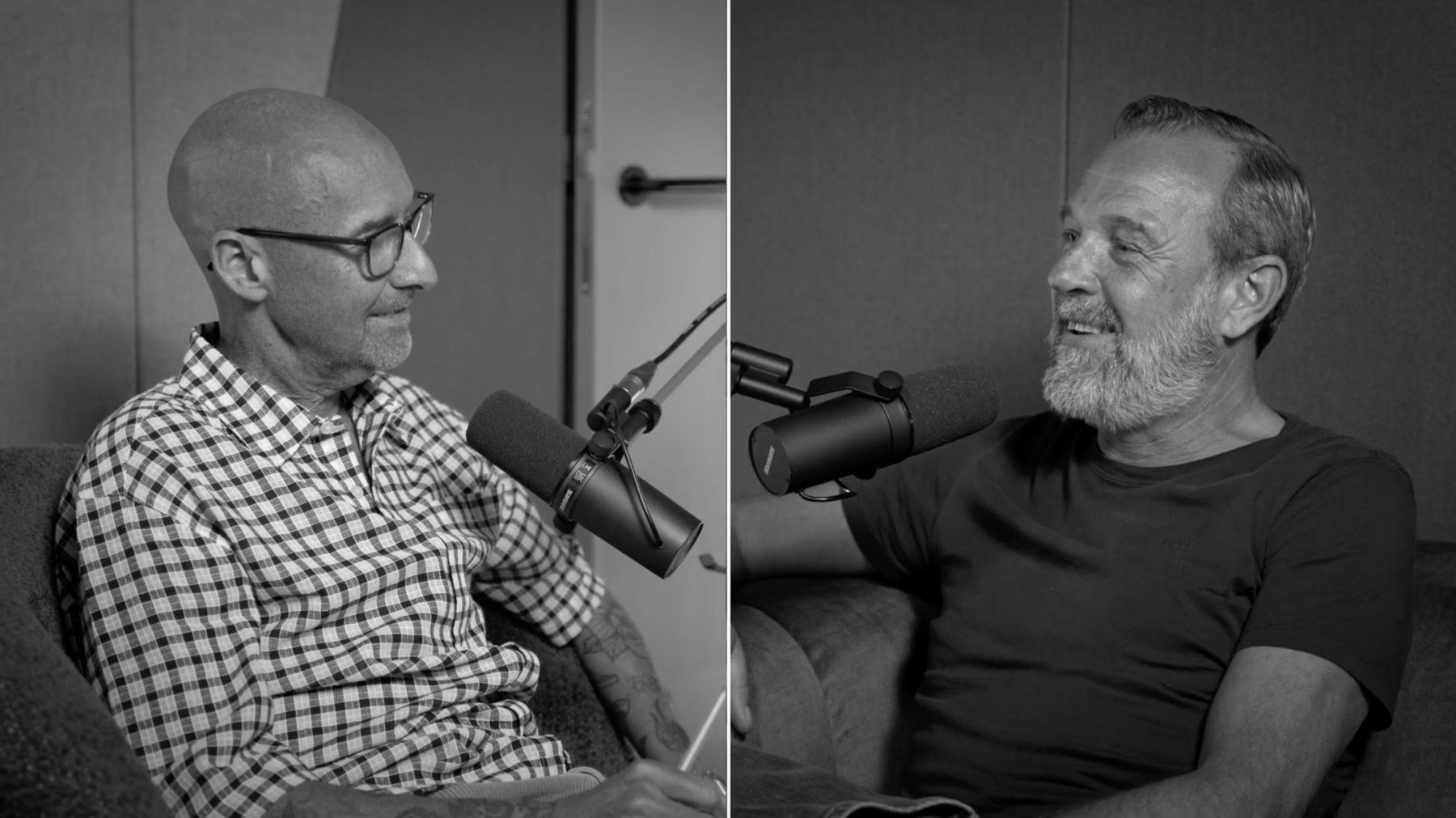
Marco and Danny recently spoke about a topic that has occupied the music industry for decades and has become urgent again with the rise of new technologies: how does the landscape of publishing, licensing, and rights management work, and what does that mean for everyone who creates, uses, or works with music?
Music is born in a moment. A melody, a feeling, a rhythm that resonates. But from that moment until the point where that music plays in a campaign, is streamed on a platform, or is used in a film, lies a world of agreements, registrations, and organizations that determine who earns what.
In that conversation, Marco brings something that isn't found in any textbook: years of professional experience, from compositions for brands and media to the daily reality of how rights are managed in practice and how they are sometimes overlooked. Not out of cynicism, but from a genuine conviction that music should be treated fairly. Commercially and creatively.
Because those two are inseparable.
A brand that uses music as if it were a free layer, an extra color in the palette, underestimates what's really going on. Music is not a finishing touch. It sets the mood, anchors recognition, and lingers in places where images have long faded.
But that power comes at a price. And behind that price is a system: composers who register their work, publishers who manage their interests, platforms that secure licenses, and agencies that try to understand exactly which rights they need for which use. It's a world that seems impenetrable to outsiders, but one that must be understandable for anyone who works seriously with music.
That's not a legal issue. It's a matter of craftsmanship.
One of the topics Marco and Danny address is the impact of artificial intelligence on the music landscape. AI can generate music. Quickly, cheaply, and in vast quantities. But the question that is increasingly being asked is not whether it can be done, but who owns it.
Who owns a composition generated by an algorithm? Who profits if that composition is used in a commercial? And what does that mean for the artist, composer, or label that has invested years in a style that is now being replicated?
These questions don't have definitive answers yet. But not asking them and ignoring them is a choice that could prove costly later on.
You can watch and listen to the full conversation between Marco and Danny in the video in this article. Not a lecture, not a summary, but an open exchange between two people who know the business and aren't afraid of its complex aspects.
Music deserves that conversation.
Whether you're looking for a sound logo or the audio production for an entire campaign, we ensure everything is right – from idea to delivery!
.png)